



1. Verify the Seller’s Identity
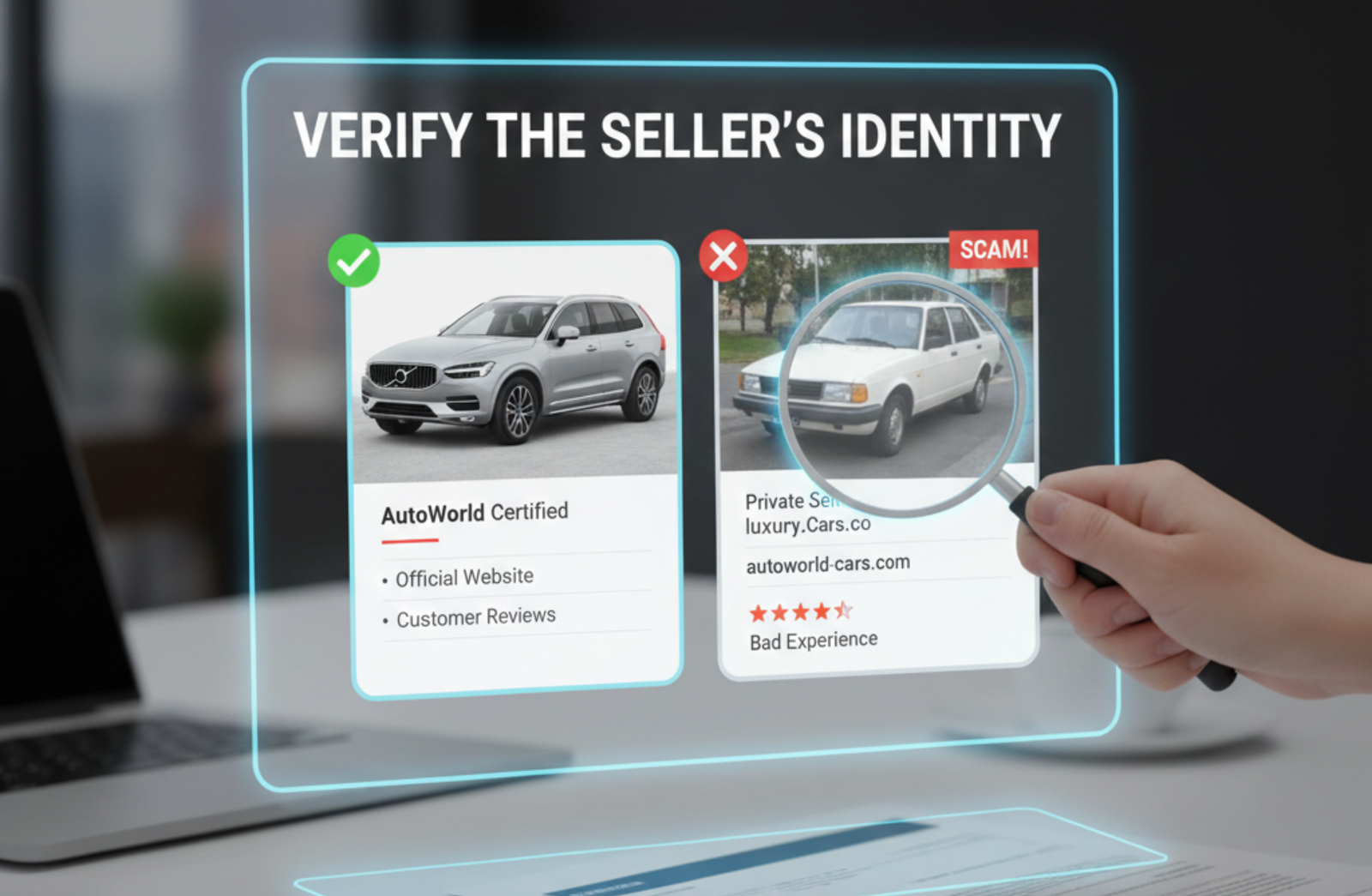 The first line of defense is knowing who is on the other side of the screen.
-
Franchise vs. Private: Buying from a recognized dealership’s official website is generally the safest route. They have a physical presence and a reputation to maintain.
-
Research Reviews: Don’t just look at the stars; read the comments on Google, Trustpilot, and social media. Look for consistency in how they handle complaints.
-
Check the URL: Scammers often “clone” legitimate dealership sites. Always ensure the website uses
https://and double-check for slight misspellings in the domain name (e.g.,dealership-cars.comvs.dealershipcars.com).
2. The “Must-Have” Paperwork
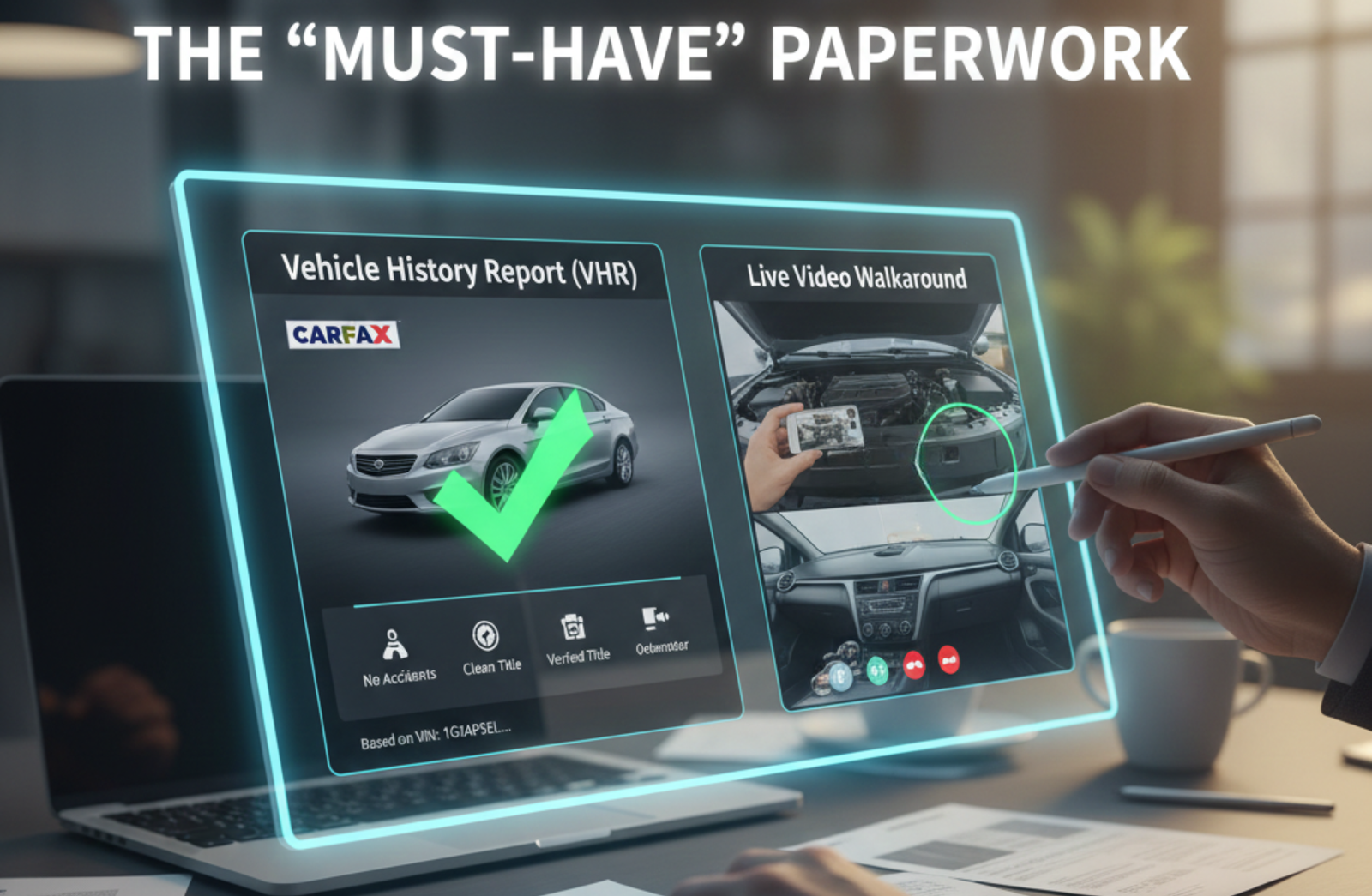 Never commit to a purchase without seeing the vehicle’s “digital DNA.”
-
Vehicle History Report (VHR): Use the VIN (Vehicle Identification Number) to pull a report from services like CARFAX or AutoCheck. This will reveal if the car has been in major accidents, has a salvaged title, or has odometer discrepancies.
-
Live Video Walkarounds: In 2026, photos aren’t enough—they can be AI-generated or edited. Request a live video call where the seller shows you specific details, like the VIN plate, the engine running, and the interior condition in real-time.
3. Financial Safety: Red Flags and Best Practices
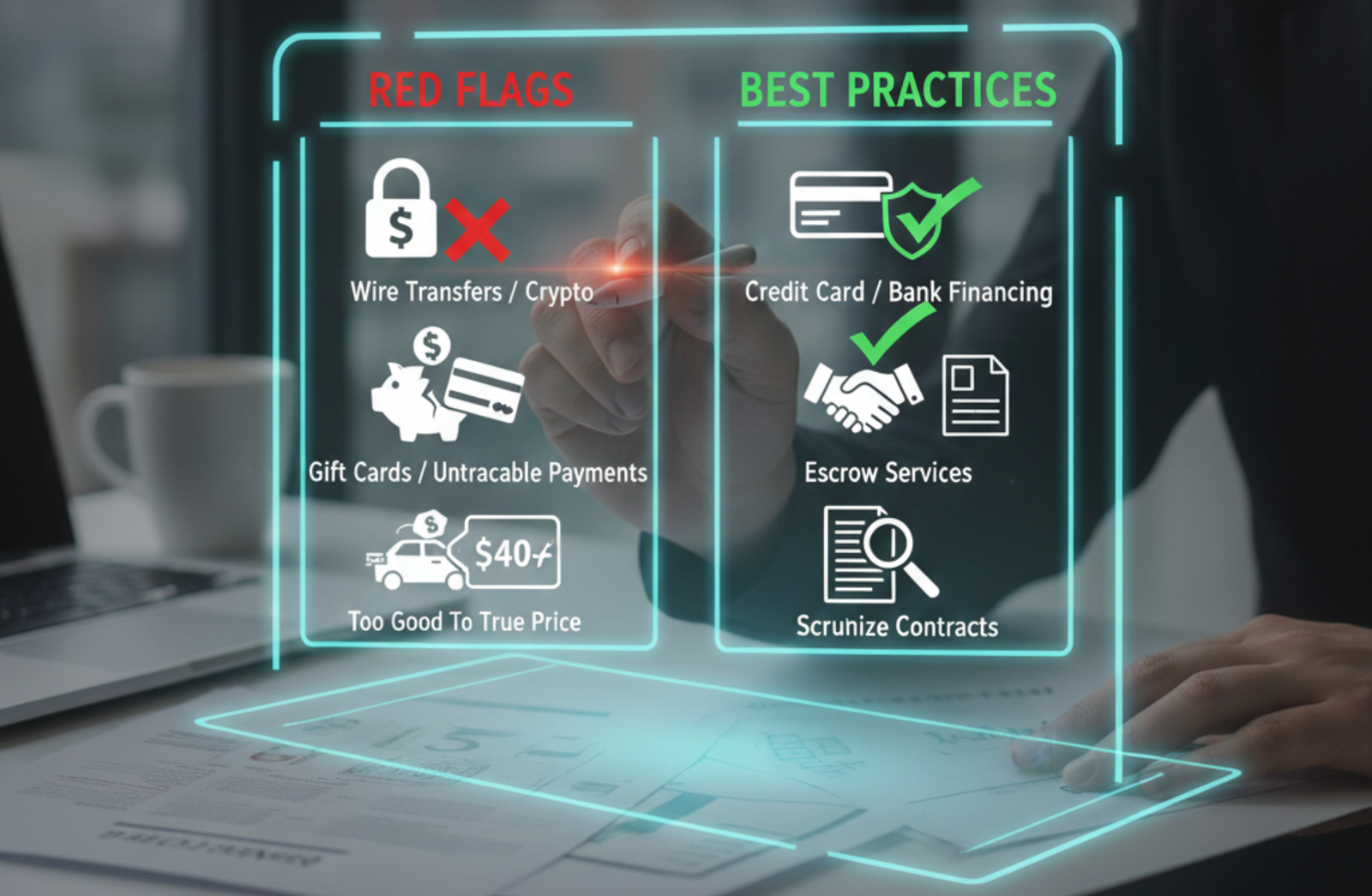 Money is where most scams happen. If the payment method feels “off,” it probably is.
-
Avoid Irreversible Payments: Never use wire transfers (Western Union), cryptocurrency, or gift cards. These are essentially cash; once sent, they are gone forever.
-
The “Too Good to Be True” Rule: If a 2024 model is priced 40% below market value because the seller is “moving abroad” or “needs a quick sale for an emergency,” it’s almost certainly a scam.
-
Escrow Services: Be wary of sellers who insist on using a specific escrow service you’ve never heard of. Only use well-known, verified third-party services.
4. The Virtual-to-Physical Transition
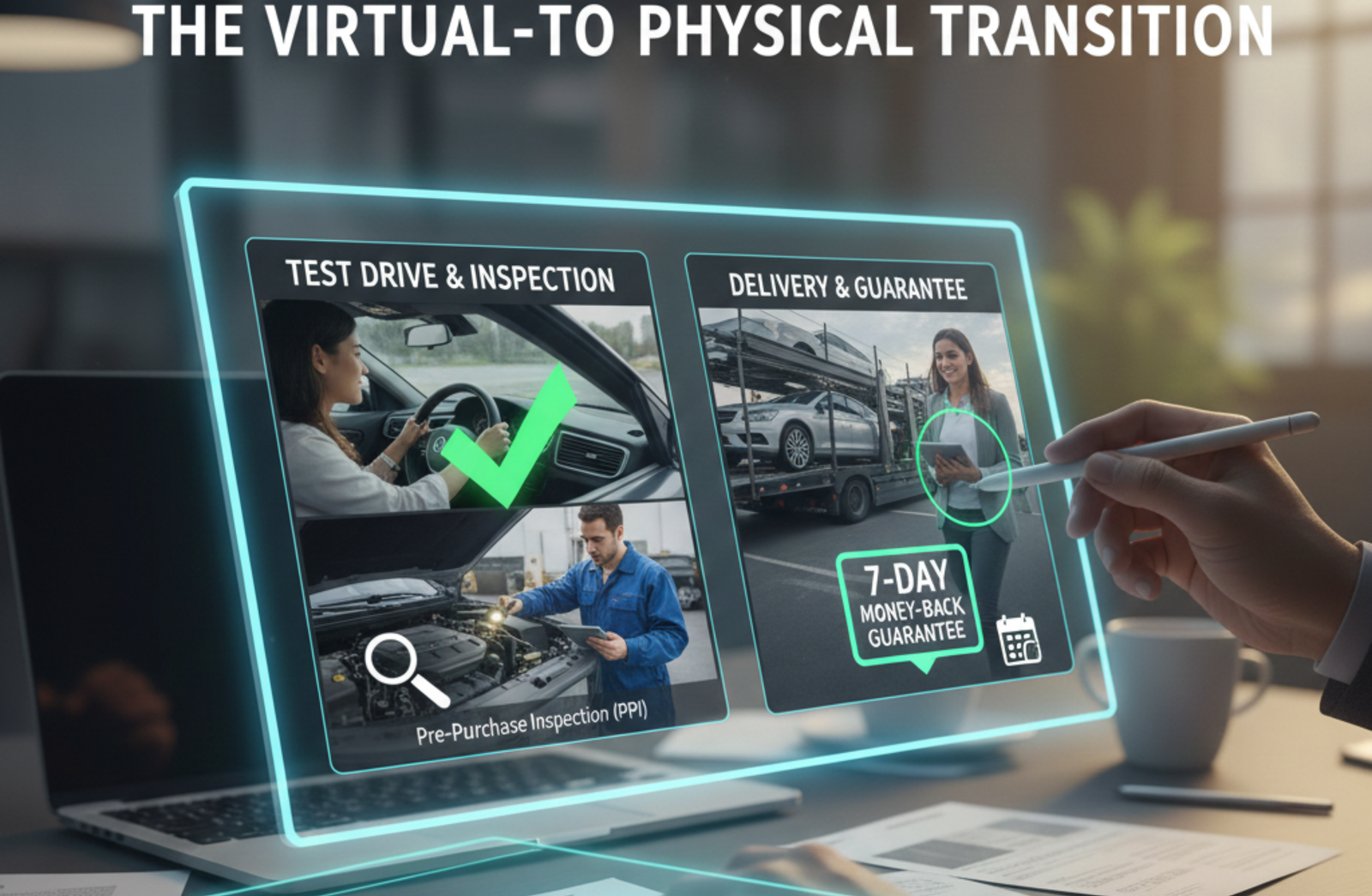 Even if you buy online, the car eventually has to enter the real world.
-
Test Drive & Inspection: If the seller is local, meet in a well-lit, public place (many police stations have “Safe Exchange” zones). If the car is being shipped from afar, ensure there is a 7-day money-back guarantee or a “Return for any reason” policy.
-
Pre-Purchase Inspection (PPI): If you are buying a used car, hire a local mobile mechanic to inspect it before the final payment is released. This $100–$200 investment can save you thousands in hidden repairs.
5. Document Everything
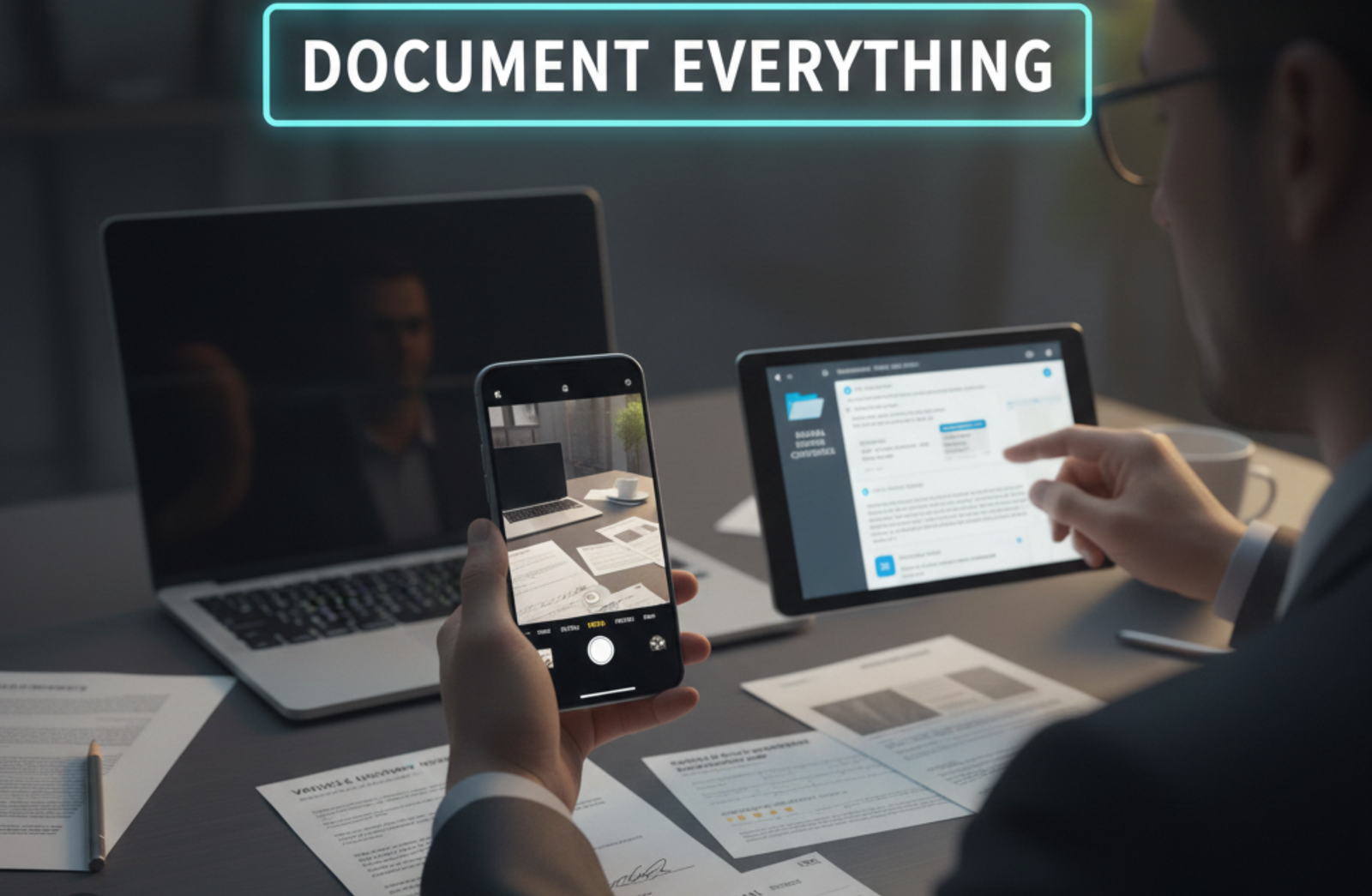 Digital trails are your best friend if things go south.
-
Screenshots: Save the original listing, the price, and all photos. Sometimes sellers change the description after you’ve made an offer.
-
Save Correspondence: Keep all chats, emails, and text messages. Avoid moving the conversation to “disappearing” message apps.
Summary Checklist for a Safe Purchase
| Step | Action | Why? |
| 1 | Get the VIN | Verifies history and prevents “cloning.” |
| 2 | Use Traceable Payment | Credit cards or bank financing offer fraud protection. |
| 3 | Check the Title | Ensures the seller actually owns the car and there are no liens. |
| 4 | Verify Return Policy | Essential for sight-unseen purchases. |
Frequently Asked Questions
1. Is it safe to buy a car entirely online without seeing it first?
It can be, provided you use a reputable platform (like Carvana, Vroom, or a certified dealership) that offers a 7-day money-back guarantee. Without a return policy or a third-party inspection, buying “sight unseen” is high-risk.
2. How can I tell if a car listing is a scam?
Look for these red flags:
-
The price is significantly below market value.
-
The seller refuses to meet in person or do a live video call.
-
The seller asks for payment via wire transfer, gift cards, or cryptocurrency.
-
The photos look like professional stock images rather than unique photos of the actual car.
3. What is a “VIN Clone,” and how do I avoid it?
This is when a scammer uses a legitimate VIN from a different car to hide the history of a stolen or totaled vehicle. To avoid this, always match the VIN on the physical car (via video call) to the VIN provided in the history report and the title.
4. Should I pay a deposit to “hold” a car?
Only pay a deposit if you are dealing with a verified dealership and using a credit card, which allows you to dispute the charge if the dealer disappears. Never send a “holding deposit” to a private seller via apps like Venmo or Zelle.
5. How do I handle the paperwork for an out-of-state online purchase?
Most large online retailers handle the registration and titling for you. If buying privately, you’ll need the seller to mail the signed title via a tracked service (like FedEx). Check your local DMV website for specific “Out-of-State Transfer” requirements, as you may need a separate emissions test or VIN verification.
6. Can I get a loan for a car I buy online?
Yes. Most banks and credit unions offer “Direct Lending” for private party or online sales. It is often safer to bring your own financing rather than using a link provided by an unknown seller.


2 Comments
Pingback: https://crazy-casino.friendly-savage.ru
Pingback: gates of olympics