


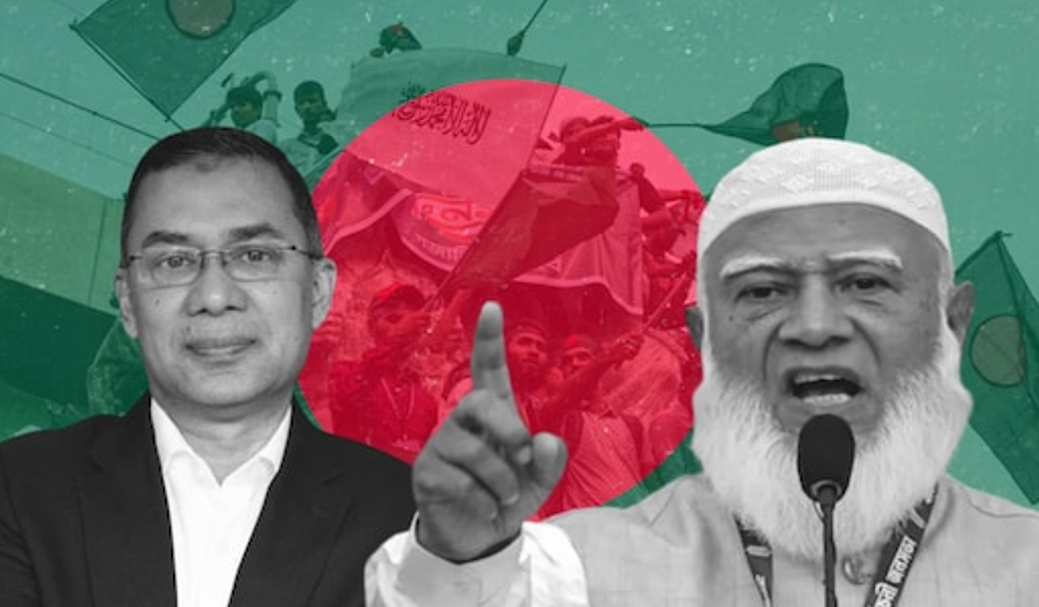
Bangladesh’s elections point toward a political comeback as BNP gains a clear lead and Tarique Rahman, son of former PM Khaleda Zia, emerges as likely premier, while Jamaat falls short and an establishment role sparks debate.
WEBDESK – MediaBites News
Bangladesh appears headed for another chapter of family-led politics after general election results showed the Bangladesh Nationalist Party (BNP) taking a clear lead, with party leaders declaring chairman Tarique Rahman, son of former prime minister Khaleda Zia, the likely next premier.
Senior BNP leader Amir Khasru Mahmud Chowdhury told the media the party was confident of forming the government once full results are finalized. “We have secured a majority, and Tarique Rahman will be prime minister,” he said.
Dynasty politics back at the center stage
Rahman, who led the party’s campaign for the first time, returned to Bangladesh only months ago after nearly 17 years in exile in London. Following his mother’s death and formal appointment as party chairman, supporters quickly rallied around him as the single national face of the BNP.
Analysts say the election reinforces South Asia’s recurring political pattern — leadership passing within families rather than institutions. Rahman is the son of military ruler-turned-president Ziaur Rahman and former premier Khaleda Zia, extending one of the country’s most influential political dynasties.
Opponents continue to question his past corruption allegations and academic credentials, claims the BNP dismisses as politically motivated cases from previous administrations.
Jamaat performs strongly but falls short
With the Awami League absent from the election, Jamaat-e-Islami Bangladesh emerged as a major competitor and posted a strong showing nationwide. However, preliminary counts suggest it will not secure enough seats to form a government.
The result leaves the BNP positioned to lead the next administration, potentially with smaller parties as allies.
Role of establishment debated
Political observers note the electoral landscape was shaped heavily by the broader power structure, with many analysts suggesting the establishment played a decisive role in determining the competitive field — particularly after restrictions on rival political forces.
That has fueled debate over whether the vote represents a democratic shift or a managed transition of power.
From exile to power
Rahman was arrested in 2007 during a military-backed caretaker government and later moved to London after release. He continued directing party affairs from abroad and formally took over leadership after Khaleda Zia’s imprisonment in 2018.
His return late last year revived the party’s electoral momentum, culminating in the current results that could bring him to office for the first time.
For Bangladesh, the election signals both continuity and uncertainty — a familiar surname at the top, but a political landscape still negotiating between public mandate and institutional influence.


1 Comment
Pingback: หวยลาวพระบาง เล่นยังไง