


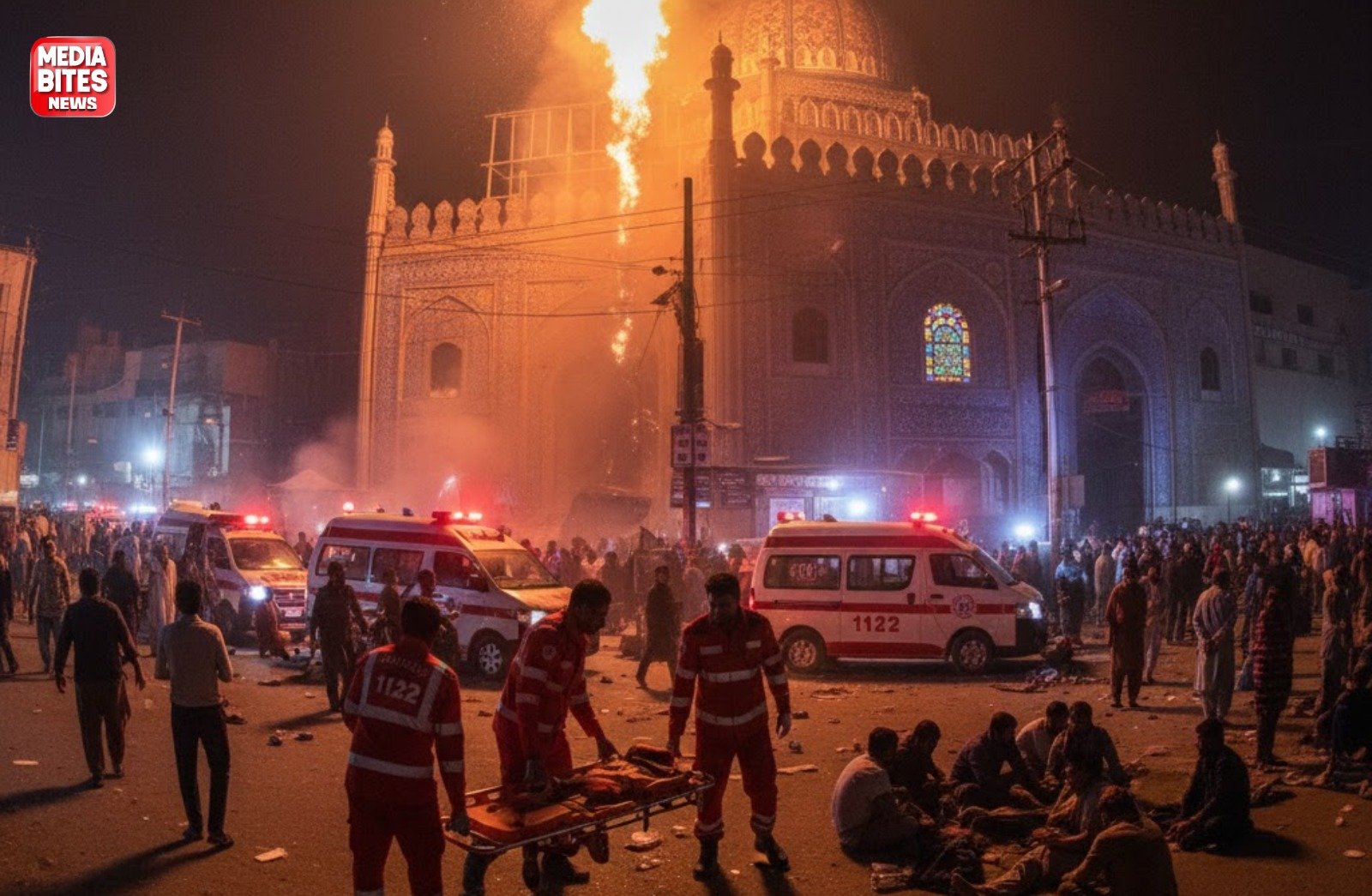
ISLAMABAD – In an act of extraordinary valor that has stirred the heart of the nation, a young man set to be married in just a few days was martyred while heroically intercepting a suicide bomber in the capital city.
A Hero’s Final Act
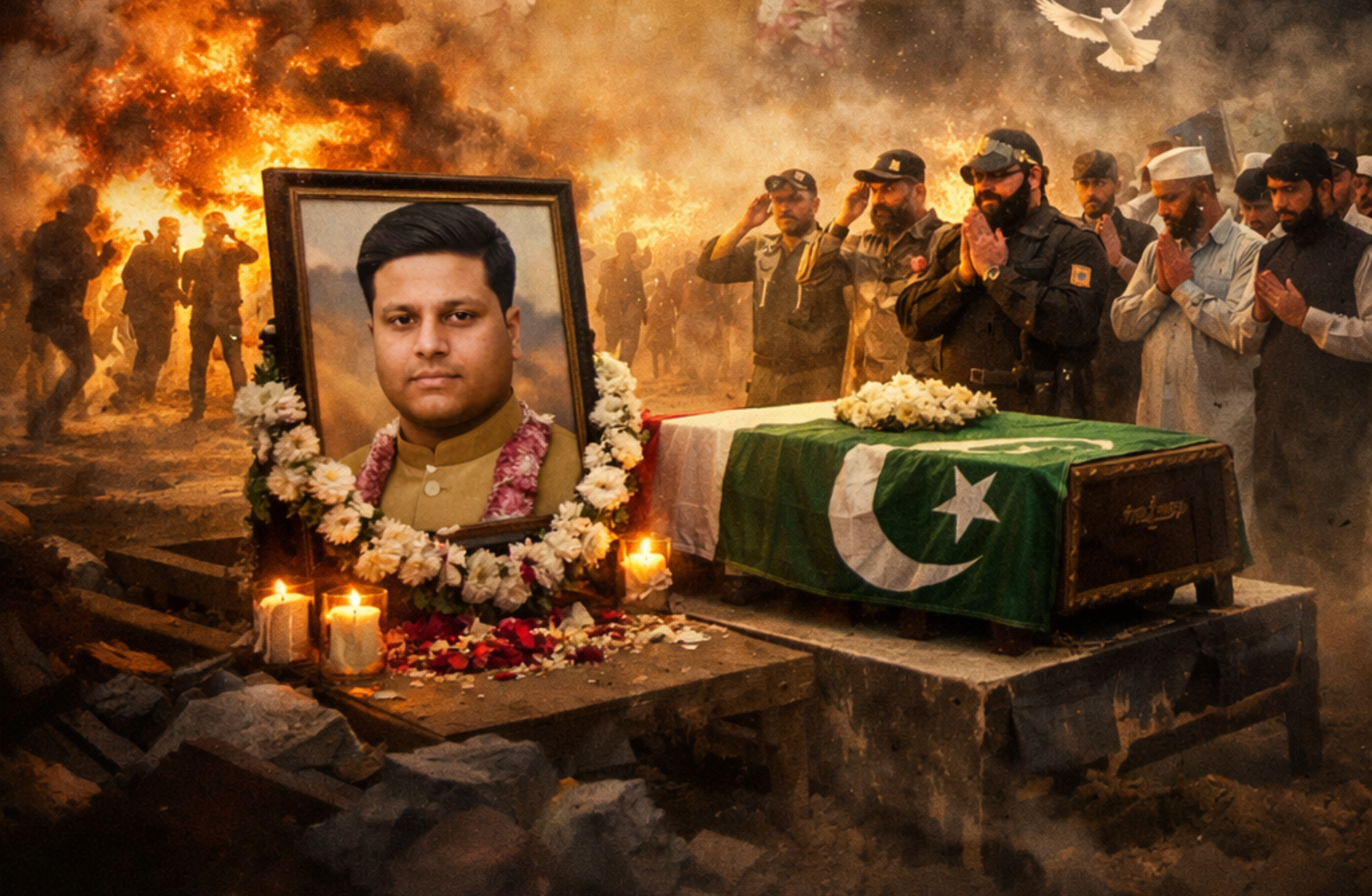 The incident occurred when the individual, identified as a local resident with a promising future ahead of him, noticed suspicious activity near a crowded area. Witnesses report that without regard for his own safety, he confronted the assailant, physically engaging him to prevent entry into a high-density zone.
By intercepting the bomber, he absorbed the brunt of the blast, a decision that security experts say undoubtedly saved dozens, if not hundreds, of lives.
From Wedding Bells to Funeral Prayers
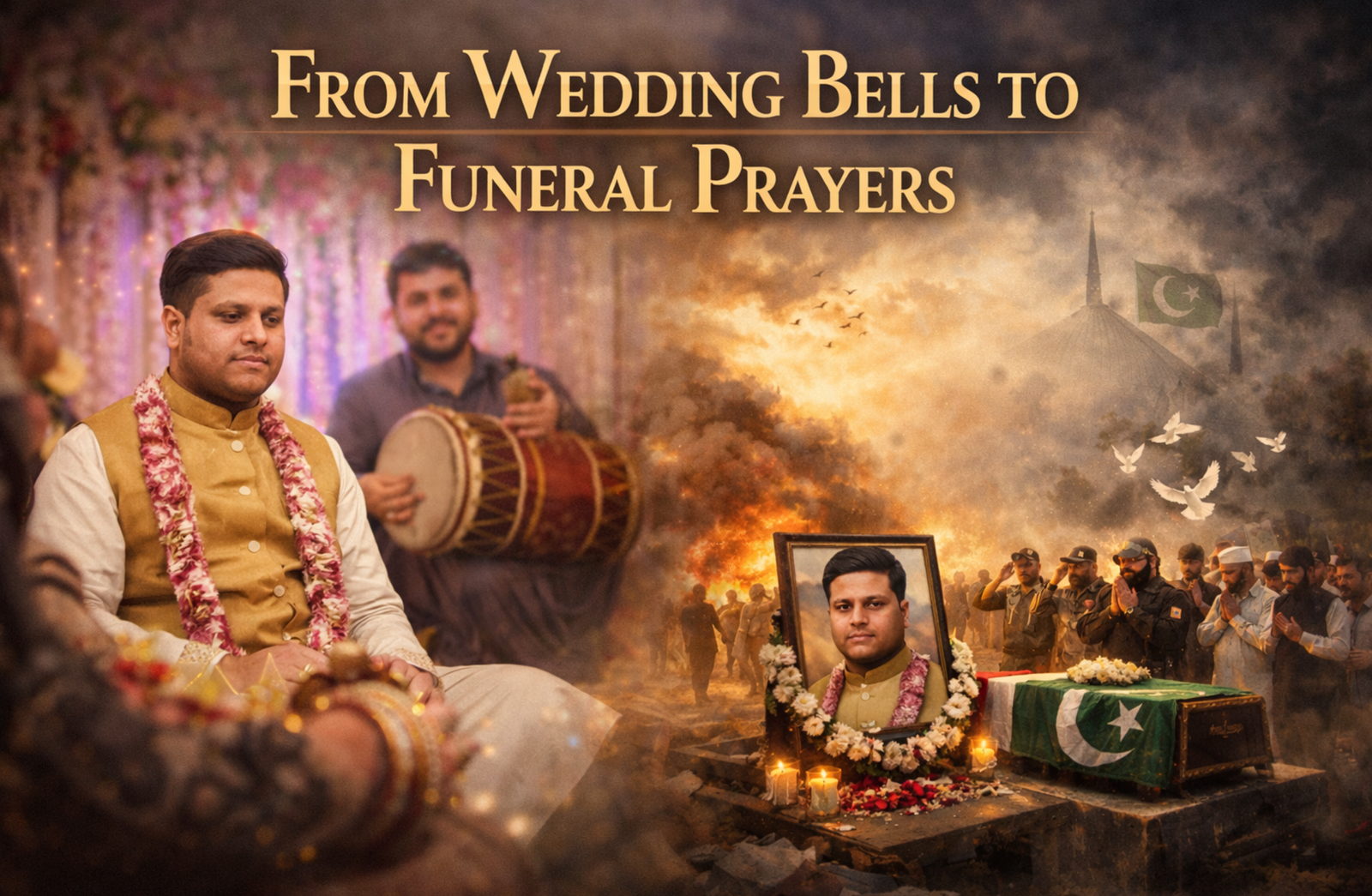 The tragedy is compounded by the personal timing of the event. The victim’s family was in the midst of final preparations for his wedding. Instead of the sounds of celebration and dholak, the household is now filled with mourners.
National Recognition
Social media has been flooded with tributes, with many calling for the highest civil awards to be bestowed upon him posthumously. Government officials and community leaders have visited the bereaved family, hailing the young man as a “shield of the city.”
-
Impact: Minimized casualties through immediate intervention.
-
Legacy: A symbol of civilian bravery against extremism.
-
Community Response: Calls for a permanent memorial in his honor.
Frequently Asked Questions
1. What happened in the Islamabad incident?
A civilian intercepted a suicide bomber near a crowded area, preventing mass casualties but losing his own life.
2. Why is he being called a hero?
His selfless act directly saved dozens, possibly hundreds, of innocent people.
3. Was he a security official?
No, he was a civilian who acted instinctively upon noticing suspicious behavior.
4. When was he supposed to get married?
He was set to be married just days after the incident.
5. How did the public react?
Social media and citizens nationwide praised him, calling for national honors.
6. Did the government respond officially?
Yes, officials visited the family and acknowledged his bravery.
7. Were casualties reduced because of his action?
Security experts confirmed his intervention minimized potential casualties.
8. Will a memorial be built for him?
Community leaders and citizens have called for a permanent memorial in his honor.
9. What does his sacrifice symbolize?
Civilian courage, unity, and resistance against extremism.
10. Has he been recommended for an award?
Many are urging the state to grant him the highest civil award posthumously.


1 Comment
Pingback: buying lsd in canada