


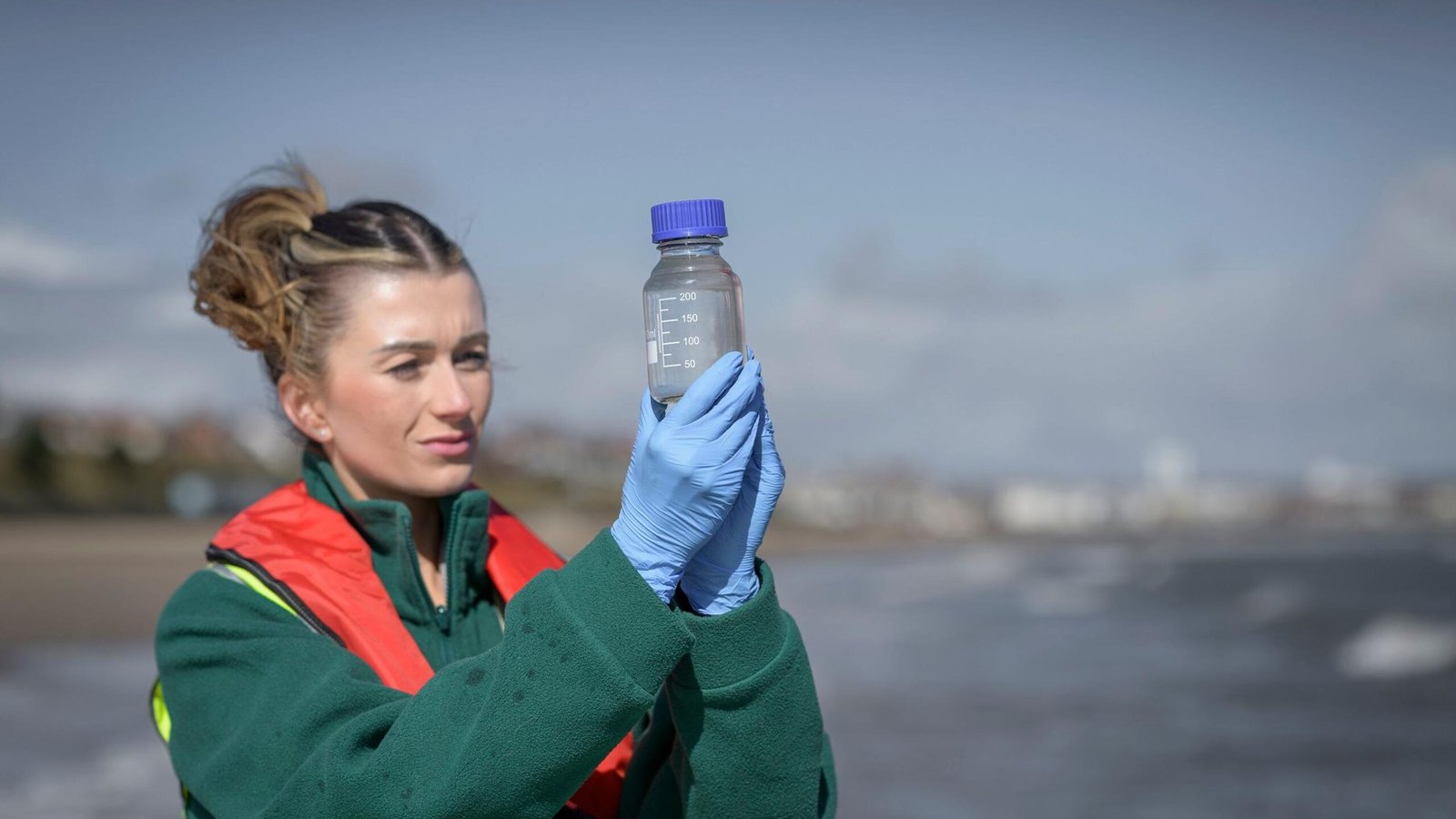
A quiet crisis is spreading across the United States as toxic “forever chemicals” contaminate private drinking water wells, leaving millions exposed to health risks with little testing, limited regulation, and few resources for cleanup.
By MediaBites | Environment & Health Desk
A growing environmental and public health crisis is emerging across the United States as toxic “forever chemicals” quietly seep into private drinking water wells, leaving millions of families unknowingly exposed for years.
The alarm was triggered in the small rural town of Stella, Wisconsin, when a routine test revealed extremely high levels of PFAS — a group of man-made chemicals linked to cancer and developmental disorders — in a family’s well water. The contamination was measured thousands of times above federal safety limits.
Soon, officials discovered the problem was far larger. Lakes, soil, wildlife, and neighboring wells were also polluted, and residents were warned to limit eating fish and game from the area.
What are ‘forever chemicals’?
PFAS, commonly called “forever chemicals,” are used in everyday products such as nonstick cookware, waterproof clothing, and firefighting foam. They do not naturally break down and accumulate in the human body over time.
Studies have connected long-term exposure to:
- Certain cancers
- Thyroid disease
- Kidney problems
- Developmental delays in children
Government estimates suggest up to half of U.S. households may have some level of PFAS in their water.
Hidden danger in private wells
While federal rules regulate city tap water, they do not cover the roughly 40 million Americans who rely on private wells. Many residents only discover contamination after random testing — often years after exposure.
Across at least 20 states, private wells are not routinely tested for PFAS unless contamination is already suspected. Even when problems are confirmed, help can take years, and homeowners often pay for filtration, bottled water, or new wells themselves.
How contamination spreads
Investigators in Wisconsin believe sludge from a paper mill — once approved as farm fertilizer — allowed PFAS to seep into groundwater feeding residential wells and nearby lakes. Similar contamination has been tied nationwide to military bases, chemical plants, and manufacturing industries.
In North Carolina, testing has expanded for years along a river system stretching nearly 100 miles. In Georgia, carpet manufacturing chemicals polluted entire watersheds.
Because PFAS travel unpredictably underground, one home may have safe water while a neighbor’s well is dangerously contaminated.
Residents trapped
Many affected homeowners face costly choices:
- Install expensive filtration systems
- Drill deeper wells that may still be unsafe
- connect to municipal water lines
- Rely permanently on bottled water
Property values have fallen, and lawsuits are increasing as residents seek accountability from companies and regulators.
Environmental experts warn that the scale of contamination could take decades to resolve.
For families in towns like Stella, the crisis has permanently changed daily life; even simple activities like drinking water, fishing, or gardening now carry uncertainty.


4 Comments
becem travel | Kıbrıs araç transfer Kıbrıs araç kiralama , Kıbrıs vip araç , Kıbrıs araç transfer , Kıbrıs güvenli ulaşım
For the reason that the admin of this site is working, no uncertainty very quickly it will be renowned, due to its quality contents.
Pingback: RubiScore match stats and results
Pingback: xüm tablets | plur beyond molly | buy xum plur | plur tablets | plur gummies | beyond molly | xum beyond shrooms | plur xum | xum community pack | xum wholesale | xum plur for sale |