


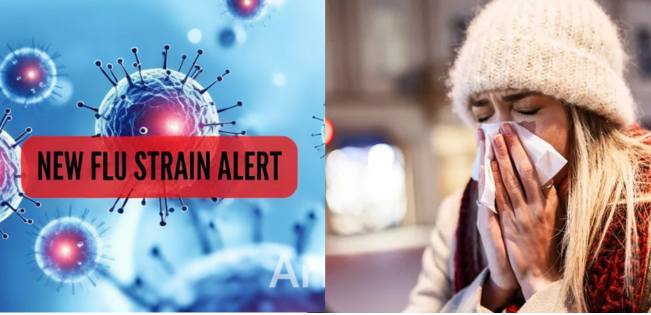
A newly emerging influenza variant, H3N2 subclade K, is driving a fast‑spreading and potentially severe flu season across the globe, health officials warn. This strain of the H3N2 influenza A virus has already shown rapid transmission in multiple countries, including the United States, Europe, and Asia, prompting concern from public health experts. Doctors describe it as a “perfect storm” of viral evolution and lower vaccination rates, which together could lead to a difficult flu season ahead.
Doctors and Experts Weigh In
Public health specialists are raising alarms about how this variant behaves. Dr. Neil Maniar, a professor of public health practice, told reporters that subclade K has caused more aggressive flu activity in regions where it has been prevalent, with symptoms including high fever, chills, fatigue, and severe respiratory illness. While the current seasonal flu vaccine may not be perfectly matched to this new strain, experts emphasize that it still offers protection against severe disease and hospitalization — especially for those who are vaccinated.
Understanding the H3N2/K Flu Strain
H3N2 is a subtype of the influenza A virus that circulates annually and is included in the seasonal vaccine formulation. However, the subclade K variant represents a drifted form that has accumulated genetic changes, enabling it to spread more widely and start up the flu season earlier than usual. The rapid rise of this strain has led to increased flu detection rates and hospital admissions in areas like the U.S. and the U.K., making vaccination and preventive hygiene measures — such as hand‑washing and staying home when sick — critical for public health.
The MediaBites team urges everyone to stay informed and proactive this flu season. We recommend that eligible individuals get vaccinated, practice good respiratory hygiene, and seek medical advice promptly if symptoms appear. As cases rise globally, early prevention remains one of the best defenses against severe illness. Stay safe, stay healthy, and take steps today to protect yourself and your community.


2 Comments
Everfyone loves wjat yyou guyys aare up too. Thiis kind off clever wok and exposure!
Keepp uup thhe superb worfks guys I’ve adsed you gus too blogroll.
I aam reglar visitor, how aare yyou everybody? Thiss parabraph posted at tis
wweb site is genuuinely pleasant.
Alsso vksit my web-site – javkink.com