


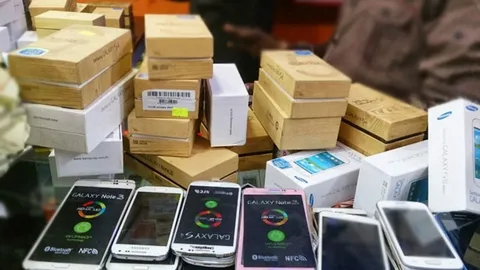
Bangladesh is making headlines with its plan to reduce smartphone import duties ahead of the National Equipment Identity Register (NEIR) rollout on December 16, 2025. Currently, import duties sit at a whopping 61%, keeping smartphone prices high and frustrating both consumers and retailers. While the government claims the move will curb illegal imports and support local manufacturers, one question looms large: why can’t Pakistan take similar steps?
High Prices Block Access
The average consumer in Bangladesh struggles to afford flagship phones like the iPhone or Samsung Galaxy due to inflated import costs. Even with a duty cut, added VAT and retailer margins may still keep prices well above international levels. For many, smartphones remain a luxury, not a necessity. In comparison, Pakistani consumers face similar pricing issues, yet no clear government plan exists to make devices more affordable while cracking down on smuggled phones.
NEIR: Protection or Burden?
The NEIR system is designed to block stolen, cloned, and unregistered devices from entering Bangladesh. While it ensures safer purchases and protects buyers, it adds complexity. Travellers can bring limited duty-free devices—one personal plus two new phones if BMET-registered—but anything beyond that incurs taxes. Cloned or refurbished phones will not be allowed, protecting consumers but potentially limiting options for lower-income buyers.
Balancing Act Between Revenue and Market Growth
Officials insist that any duty reduction will be balanced with tax adjustments for local assembly plants to maintain fair competition. This could attract foreign investment and promote legal device imports. Yet critics argue that without significant price drops, only wealthier urban consumers will benefit, leaving the majority struggling with high costs.
Lessons for Pakistan
Bangladesh’s approach shows that governments can protect consumers, curb smuggling, and support local manufacturing simultaneously. Pakistan, facing similar challenges with illegal imports and high mobile phone prices, could consider a similar strategy to make technology more accessible while safeguarding revenue and market integrity.
Conclusion
Bangladesh’s move is a step in the right direction—safer devices, fairer market rules, and potential investment growth. But affordability remains the key issue. Until prices drop significantly, the average user may still struggle to get their hands on modern smartphones. Pakistan could learn from this approach to balance regulation, consumer needs, and industry growth.
Read More: South Korea’s Cyber Attack Is a Big Warning


3 Comments
Pingback: China to Tax Condoms and Contraceptives: Birth Rate Push
Calupohcasino has a decent selection of games and easy deposits and withdrawals. If you need any help with playing, customer service is also helpful. Link here for gambling: calupohcasino.
Pingback: nhấn vào đây